
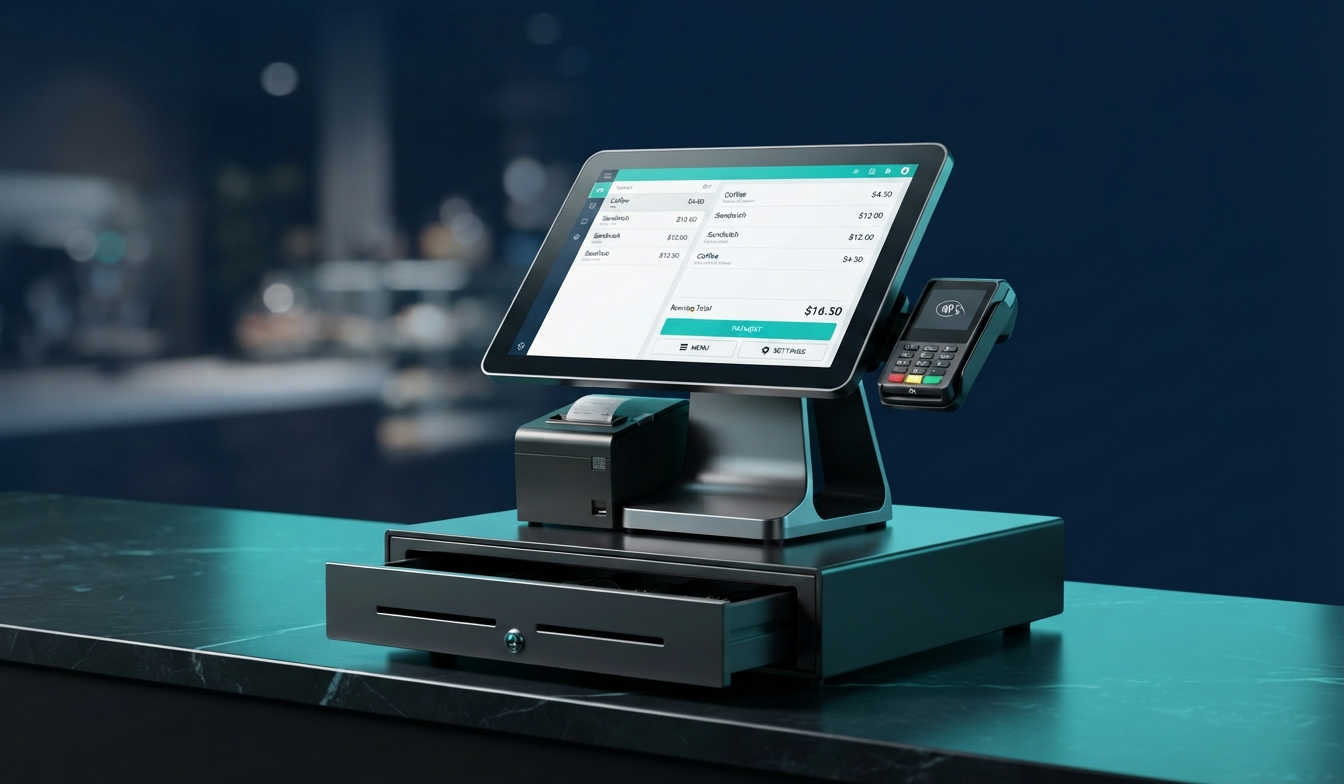
10 Essential Features Every Modern POS System Should Have
10 Essential Features Every Modern POS System Should Have
A modern POS system is a centralized business platform used to process sales, manage real-time inventory, track transactions, and generate analytical reporting for retail and hospitality operations. Selecting the right point-of-sale technology directly impacts daily transaction speeds, inventory accuracy, and customer satisfaction. Whether operating a single storefront in Tbilisi or managing multi-location hospitality branches across Georgia, businesses require a robust feature set to maintain operational efficiency and compete effectively.
Core Sales and Inventory Management Features
At its foundation, a point-of-sale solution must handle transactions swiftly while keeping stock levels completely synchronized. Without these core functionalities, businesses risk stockouts and checkout bottlenecks.
1. Real-Time Inventory Tracking
Real-time inventory tracking automatically updates stock quantities the exact moment a sale is completed, returned, or exchanged. This prevents overselling, reduces manual counting errors, and alerts managers when specific products approach low-stock thresholds.
2. Intuitive Sales Processing and Checkout
A fast, responsive checkout interface minimizes customer wait times. Modern POS software features a streamlined layout, touch-friendly navigation, quick-item lookup, and support for split payments, gift cards, and various discount structures.
3. Barcode Scanning and Product Catalog Management
Efficient catalog management allows businesses to organize items by category, size, color, or supplier. Integrated barcode scanning accelerates checkout accuracy and simplifies routine inventory audits.
Business Intelligence and Employee Control
Beyond basic checkout operations, modern technology turns raw transaction data into actionable business intelligence while providing administrative oversight over staff workflows.
4. Advanced Reporting and Analytics
Comprehensive reporting tools analyze sales trends, peak trading hours, top-performing staff members, and profit margins. Business owners can access these reports remotely to make informed purchasing and staffing decisions.
5. Employee Management and Permissions
Security and accountability require granular user permissions. A modern POS system allows managers to restrict sensitive functions—such as refunds, price overrides, and cash drawer openings—to authorized personnel while tracking individual shift performance.
6. Customer Relationship Management (CRM) and Loyalty Programs
Built-in CRM features track customer purchase history, preferences, and contact details. Integrated loyalty programs allow businesses to launch targeted promotions, reward frequent shoppers, and increase customer retention.
Key Takeaway for Growing Businesses
Transitioning from traditional cash registers to a modern, software-driven POS ecosystem bridges the gap between daily front-end sales and back-end business reporting. To explore integrated options tailored to local operational standards, review BluePoint’s POS Software solutions.
Technical Flexibility, Security, and Scalability
Infrastructure reliability and data security are paramount for commercial operations. Modern systems must support hybrid or cloud accessibility and protect sensitive financial records.
7. Cloud-Based Accessibility and Offline Mode
Cloud-based POS architectures allow owners to monitor live sales data from anywhere. Additionally, a reliable offline mode ensures that checkout operations can continue smoothly even if local internet connectivity temporarily drops.
8. Secure Payment Processing Integration
Modern POS software securely integrates with major credit card terminals, contactless payment methods, and mobile wallets. It adheres to strict security frameworks to protect cardholder data against unauthorized access.
9. Multi-Location Support
For growing enterprises managing multiple branches or warehouses, centralized multi-location management allows administrators to transfer stock between sites, view consolidated reports, and maintain uniform pricing from a single dashboard.
10. API Integrations and Scalability
A scalable POS system features open API capabilities, enabling seamless integration with existing tools such as accounting software, eCommerce platforms, and enterprise business software.
Traditional Cash Registers vs. Modern POS Systems
Evaluating the operational differences highlights why businesses are rapidly upgrading their checkout infrastructure:
| Feature Capability | Traditional Cash Register | Modern POS System |
|---|---|---|
| Inventory Tracking | Manual physical counts | Automated real-time updates |
| Sales Reporting | Basic end-of-day Z-reports | Advanced cloud-based analytics |
| Payment Flexibility | Cash and basic card terminals | Integrated contactless, mobile, and card payments |
| Multi-Store Management | Not supported / isolated | Centralized multi-location dashboard |
Frequently Asked Questions
What is a modern POS system?
A modern POS system is an integrated software and hardware platform that handles sales transactions, tracks inventory levels in real time, manages customer profiles, and generates detailed business analytics.
Can a modern POS system work without an internet connection?
Yes. Most reliable modern POS software features an offline mode that securely caches transaction data locally and automatically synchronizes everything back to the cloud once network connectivity is restored.
How does a POS system help with inventory management?
It eliminates manual counting by automatically deducting items from inventory with every completed sale, monitoring low-stock thresholds, and organizing product catalogs by variants.
Is modern POS software suitable for small businesses in Georgia?
Absolutely. Scalable POS solutions allow small independent shops, cafes, and boutiques to streamline daily operations and scale their technology footprint as their business grows.
Looking to Upgrade Your Business Technology?
BluePoint helps businesses across Tbilisi and Georgia evaluate technology requirements, choose the right POS software, and implement robust IT infrastructure solutions suited to their operational needs.
Explore BluePoint Solutions